Message
Why do children need to play?
2026/11/16“Why do children need to play?” I am asked this question all the time, wherever I give lectures around the world. It is a simple question that many teachers and parents have. These days, children’s lives are getting busier and busier. Their schedules are even more packed than those of businesspeople in New York. They have no choice. Their days are planned for them by caregivers, parents, teachers, and others. Many parents and teachers are aware of the problem and worried about it, yet the situation is not improving. If anything, it is getting worse.
Learning is not the same as teaching. Learning is the act of acquiring knowledge, and there are many ways to do it. One of the simplest ways is to read books or look things up online. Another is to learn at school. This process has helped humanity become wiser. Education has helped nations develop knowledgeable citizens and has been essential to their progress. Countries compete with one another over academic achievement.
Yet there is a problem in developed countries. Parents want their children to study harder so they can get into better schools. The hope is that a better university will lead to a higher salary and a more prosperous life. But does this make them happier? Does it make their countries happier? To some extent, wealth is necessary for a family’s happiness. You want enough good food for your family. You want to live in a house that is neither too cold nor too hot. If you get sick, you need to see a good doctor. Yet despite all these efforts, there are still homeless people on the streets of the richest countries. There are many unhappy families among the very wealthy. Many children need support for their mental health. Many people are exhausted by competing with others. Wealth may be necessary, but it is not enough to bring happiness. The purpose of all this effort was supposed to be a happy life.
You can’t be happy alone. Happiness is about sharing. Cooking only for yourself can easily become little more than a way to meet your nutritional needs. I don’t like eating alone. When I have no one to eat with, I go to a restaurant because I can be around other people. Waiters and waitresses are important. Even a brief chat makes me happier. I enjoy cooking for others. When I see my friends smile, I feel happy. I stand behind the kitchen counter, feeling happy.
Schools too often teach competition rather than sharing. There is little room for a subject called “Happiness.” It is a vague subject, with no clear measure of success. You cannot quantify the results. That is why it struggles to find a place in a world of competition.
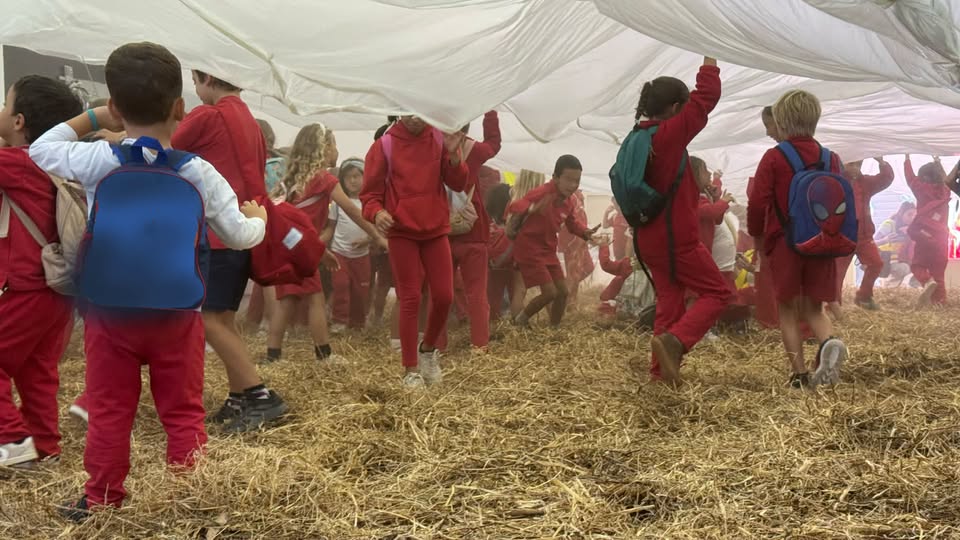
Play is spontaneous learning. Children know what they want to play and when. You can’t teach experience. All you can do is offer opportunities. It is up to the children whether they take them. Yet this is often misunderstood. Many professional educators and designers believe they need to do more to provide opportunities. I see many children’s museums with slopes, ropes, and slides. They are often colorful and cheerful, with undulating floors. Unfortunately, there are also many rules to keep children safe. There are instructions to follow. The children end up doing what the creators want them to do. Eventually, they grow tired and bored. The space becomes a place for teaching.
A forest is a wonderful place to play. It is full of opportunities, but it can also be dangerous. You may encounter dangerous wild animals. Even if there are none, you could fall into a hidden hole between the trees. Living in a forest is not easy. You could go hungry without the knowledge and tools needed to find and prepare food. You cannot simply leave children alone in the woods. That is why we are looking for places where children can play.